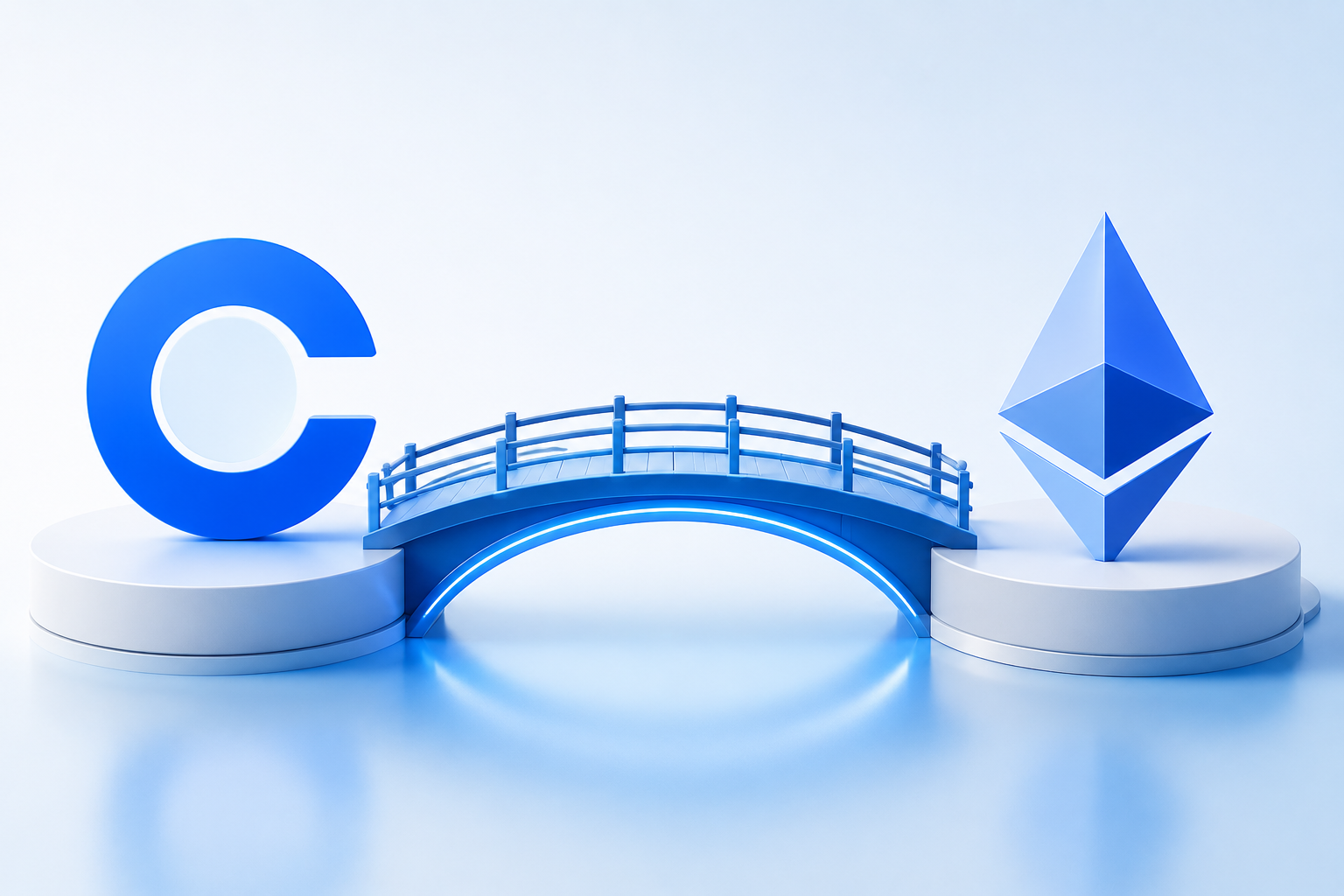
What is the Base Network?
Base is an Ethereum Layer 2 (L2) network developed by Coinbase. In simple terms, it acts as a secondary layer built on top of the Ethereum blockchain. While Ethereum is the most secure and widely used platform for smart contracts, it can often be slow and expensive. Base solves this by processing transactions off the main Ethereum chain and then recording them back to it, significantly reducing costs and increasing speed.
Unlike many other networks, Base was incubated within Coinbase, one of the world's largest cryptocurrency exchanges. However, it is built on the open-source OP Stack (the same technology powering Optimism), meaning it is designed to be decentralized and compatible with existing Ethereum tools.
Why Are People Using Base?
For a beginner, the Base network offers several practical advantages over the standard Ethereum mainnet:
- Lower Fees: Transactions on Base typically cost a fraction of what they would on Ethereum. This makes it ideal for smaller transactions or exploring decentralized applications (dApps) without spending a fortune on gas.
- Seamless Integration: Because it is a Coinbase product, users can move assets from their Coinbase exchange account to the Base network with just a few clicks.
- Ethereum Security: Since Base settles its transactions on Ethereum, it benefits from the underlying security and decentralization of the Ethereum network.
Note: Base does not have its own native network token. You use standard Ether (ETH) to pay for transaction fees (gas) on the network. Be wary of anyone claiming to sell a "Base Token."
How to Get Started Safely
Getting started on Base is straightforward, but it requires a few specific steps to ensure your assets remain secure.
1. Set Up a Compatible Wallet
To interact with Base, you need a non-custodial wallet. The Coinbase Wallet (the browser extension or mobile app) is the most native option, as it comes with Base support pre-configured. However, you can also use popular wallets like MetaMask by manually adding the Base network settings.
2. Fund Your Wallet with ETH
Because Base uses Ethereum for gas fees, you must have ETH in your wallet. You can buy ETH directly on Coinbase and choose to withdraw it to your wallet via the "Base" network instead of the "Ethereum" network. This is often the cheapest and easiest method for beginners.
3. Bridging Assets
If you already have ETH on the Ethereum mainnet, you can "bridge" it to the Base network. This involves using a bridge application to lock your ETH on Ethereum and mint an equivalent amount on Base. Always ensure you are using the official Base bridge website to avoid phishing scams.
A Safety-First Approach to Base
While Base is designed to be user-friendly, the world of Layer 2 networks still carries risks. At Crypto Hub, we emphasize these safety rules:
- Verify URLs: Always double-check that you are using the official bridge or dApp website. Scammers often create fake versions of popular Base platforms.
- No Guaranteed Profits: The Base network is a tool for faster and cheaper transactions; it is not a guarantee of financial gain. Only move funds you are prepared to manage yourself.
- Beware of Meme Coins: Because it is so cheap to launch tokens on Base, the network often sees a high volume of "meme coins" and speculative assets. These are highly volatile and often result in total loss for inexperienced users.
By focusing on the technology and the utility of low-cost transactions rather than chasing hype, you can explore the Base ecosystem safely and effectively.