The Evolution of Digital Gold
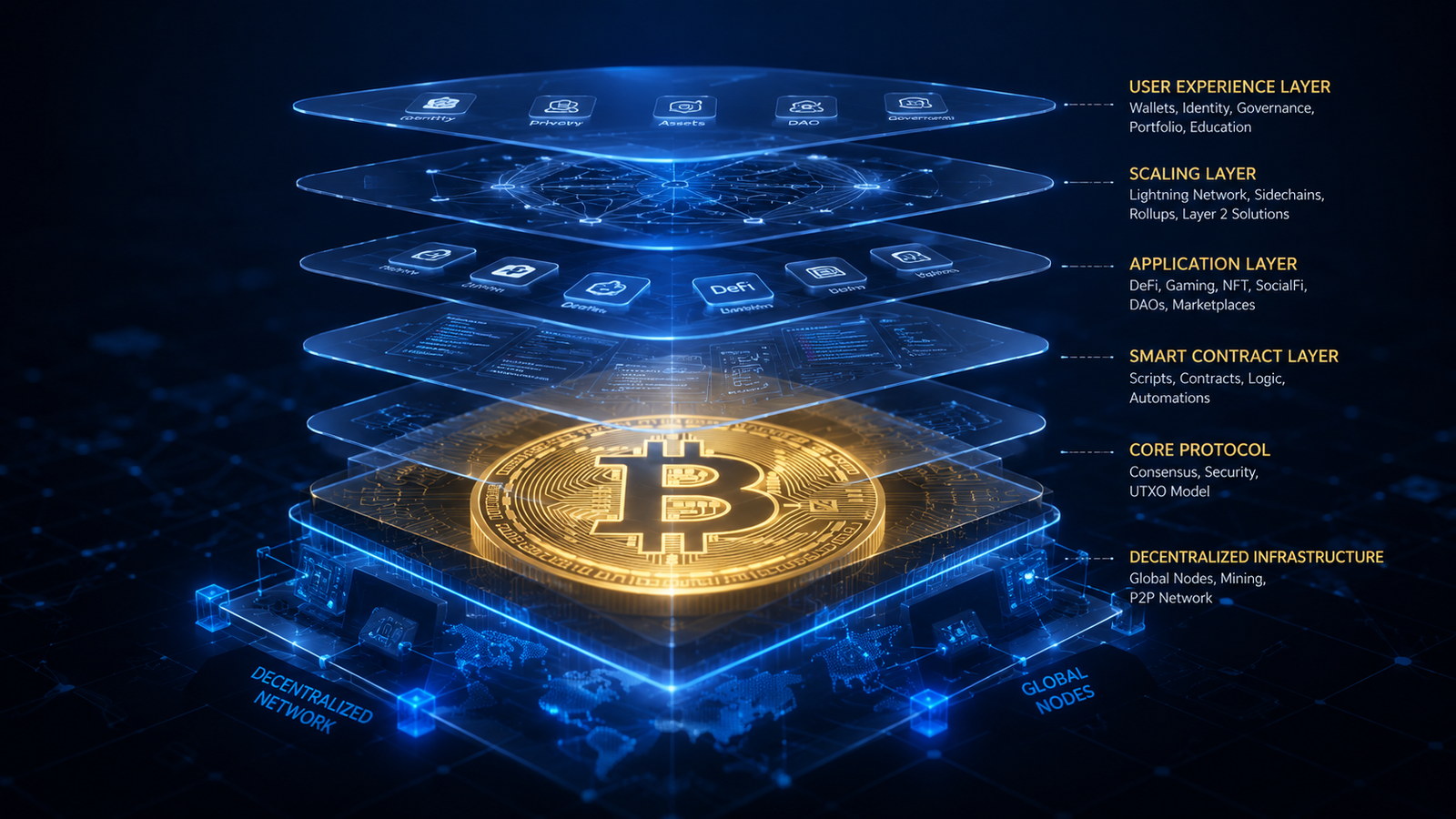
For over a decade, Bitcoin has been primarily viewed as 'digital gold'—a secure, decentralized store of value. However, as the network grew, so did its limitations. Because Bitcoin prioritizes security and decentralization above all else, it can only process a handful of transactions per second. This is where Bitcoin Layer 2 (BTC L2) solutions come into play.
What is a Bitcoin Layer 2?
Think of Bitcoin's main blockchain (Layer 1) as a high-security vault. It is incredibly safe but slow and expensive to move things in and out of. A Layer 2 is like a fast-moving courier service built on top of that vault. It handles thousands of smaller transactions 'off-chain' and then periodically bundles them together to settle the final balance on the main Bitcoin network.
Why Do We Need BTC L2?
The Bitcoin network can handle roughly 7 transactions per second. In contrast, global payment processors handle thousands. Without Layer 2 technology, using Bitcoin for daily coffee purchases or complex financial applications would be impractical due to high fees. BTC L2s aim to provide:
- Lower Fees: By processing transactions off the main chain, users pay a fraction of the cost.
- Faster Speeds: Transactions can become nearly instantaneous.
- Bitcoin Smart Contracts: New layers allow developers to build decentralized applications (dApps) similar to those on Ethereum, but secured by Bitcoin.
Major Bitcoin Layer 2 Solutions
Several projects are leading this evolution, each with a different focus:
1. The Lightning Network
The Lightning Network is the most well-known BTC L2. It focuses on instant, low-cost payments. It creates private 'channels' between users, allowing them to send BTC back and forth infinitely without taxing the main blockchain until they decide to close the channel.
2. Stacks (STX)
Stacks is a unique layer that brings Bitcoin smart contracts to life. It uses a consensus mechanism called Proof of Transfer (PoX) that connects directly to the Bitcoin blockchain, allowing developers to build DeFi (Decentralized Finance) and NFTs that use Bitcoin as the base asset.
3. The Liquid Network
Liquid is a sidechain designed for traders and exchanges. It allows for faster settlement of Bitcoin and the issuance of new digital assets, like stablecoins, that are pegged to the value of the main network.
Safety First: A Note for Beginners
While Bitcoin Layer 2 technology is exciting, it is still in its early stages. At Crypto Hub, we advocate for a safety-first approach:
- Bridge Risks: Moving your BTC from Layer 1 to a Layer 2 often involves 'bridging.' This process can have technical risks if the bridge software has vulnerabilities.
- New Tech: Many BTC L2 projects are experimental. Never move more Bitcoin than you can afford to lose while testing new wallets or platforms.
- Keep Your Keys: Regardless of the layer, the golden rule remains: Not your keys, not your coins. Always use reputable wallets.
Conclusion
Bitcoin is evolving from a static asset into a programmable network. Bitcoin Layer 2 solutions represent the next big step in making BTC useful for the entire world, not just as an investment, but as a functional tool for the global economy. By staying informed and prioritizing security, beginners can safely explore this new frontier.